
Custom Blast Freezer Room

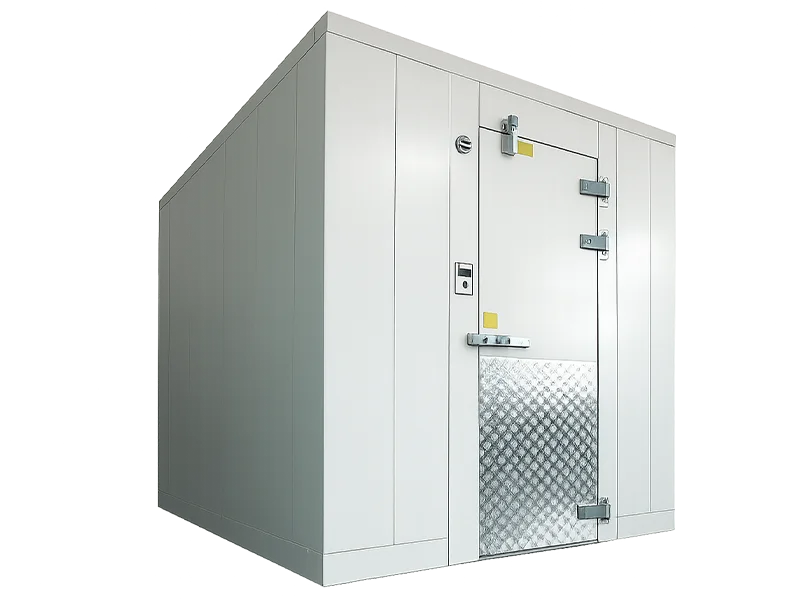
We design complete blast freezer room solutions around your food type, freezing temperature, batch capacity, product dimensions, and available site space for efficient, uniform freezing.

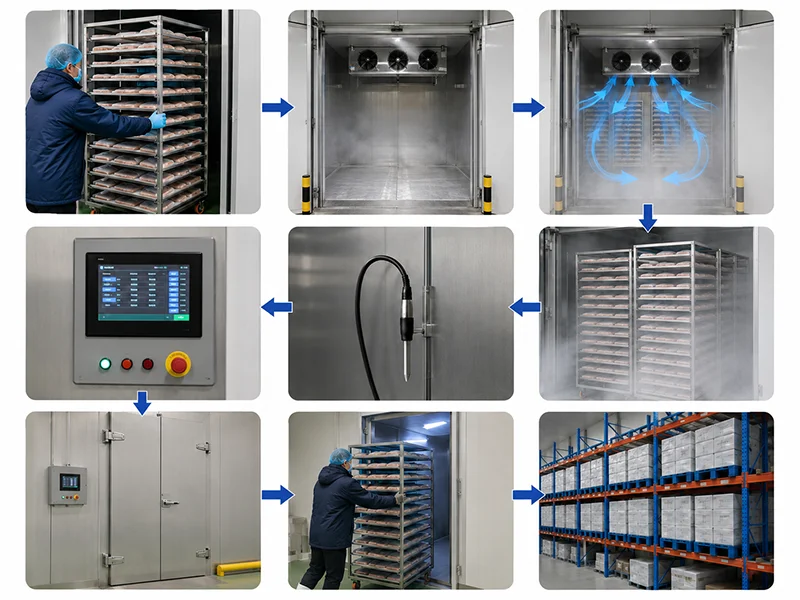
How Does a Blast Freezer Room Work?

A blast freezer room uses high-speed cold air to rapidly lower product temperature, reducing large ice crystals and preserving texture, moisture, and quality.

Product Loading

Products are evenly arranged on trays, racks, trolleys, or pallets.

Cold Air Circulation

Fans circulate -25°C to -45°C air through the products.

Rapid Heat Removal

Cold airflow quickly removes heat for faster, uniform freezing.

Temperature Monitoring

Sensors track room and product temperatures until the core reaches about -18°C.

Automatic Control

The system controls cooling, fans, defrosting, alarms, and freezing time.

Freezing Completion

Frozen products are transferred to cold storage.

Blast Freezer Room Technical Specifications

Parameter

Available Options

Room Temperature

Approximately -25°C to -45°C

Product Inlet Temperature

Chilled, fresh, or partially frozen

Target Core Temperature

Commonly -18°C or project-specific

Freezing Capacity

Customized by kg/batch or kg/hour

Insulation Panel

Commonly 100–200 mm

Panel Material

PUF or PIR

Door Type

Hinged, sliding, manual, or automatic

Condensing Method

Air-cooled, water-cooled, or evaporative

Control System

Manual, PLC, touchscreen, remote monitoring

Benefits of Our Blast Freezer Rooms

⇆ Uniform Freezing Airflow

❄ Energy-efficient Freezing

⚙️ Manufacturing and Quality Control

🛠 Installation and Technical Support

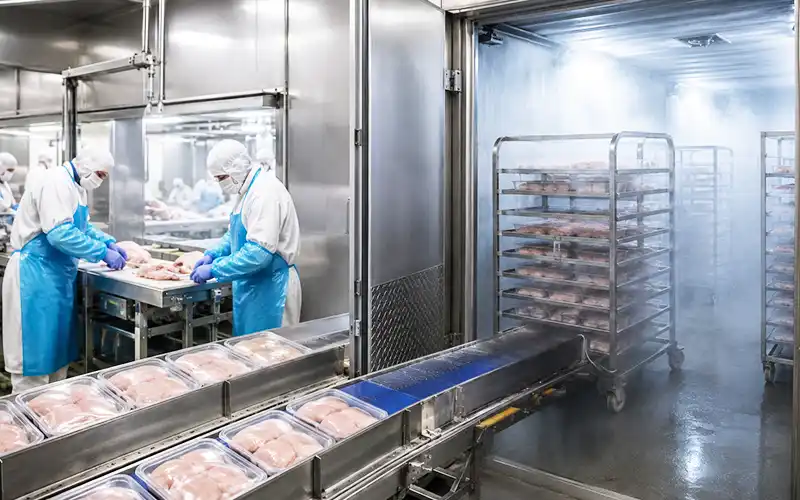
Integration with Production Lines

We integrate blast freezer rooms into existing food processing lines, connecting conveyors, trolleys, racks, packaging machines, and cold storage for efficient freezing and product transfer.

Slaughterhouses

Integrated after cutting, deboning, or packaging lines to rapidly freeze meat and poultry before cold storage or distribution.
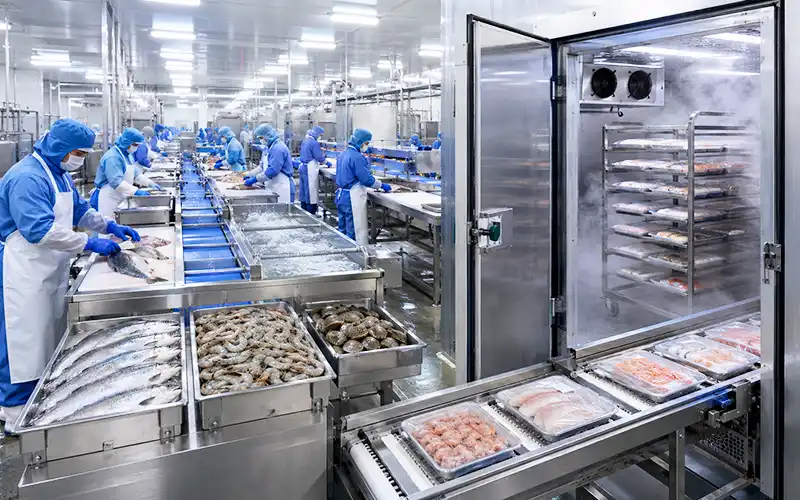
Seafood Processing Plants Blast Freezer Room

Seafood Processing Plants

Connected with washing, grading, filleting, glazing, and packaging equipment for fast freezing of fish, shrimp, shellfish, and other seafood.
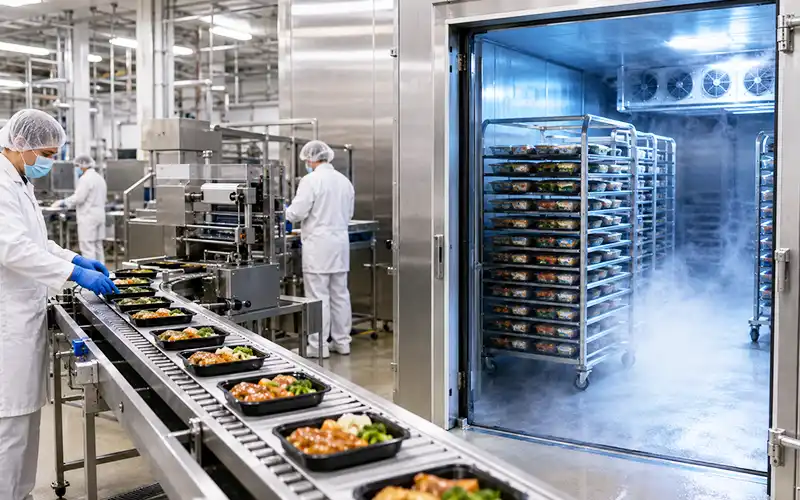
Prepared Food Factories Blast Freezer Room

Prepared Food Factories

Installed after cooking, cooling, portioning, or packing processes to freeze ready meals, meat products, and processed foods.
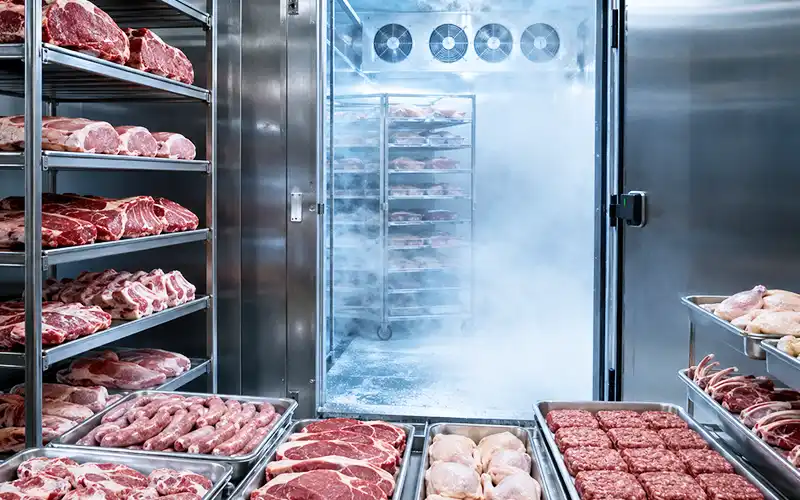
What Products Can We Blast Freeze?

Meat and Poultry blast freezer room

Meat and Poultry

Suitable for beef, pork, chicken, lamb, sausages, and portioned meat. Typical blast freezing temperatures range from -30°C to -40°C.
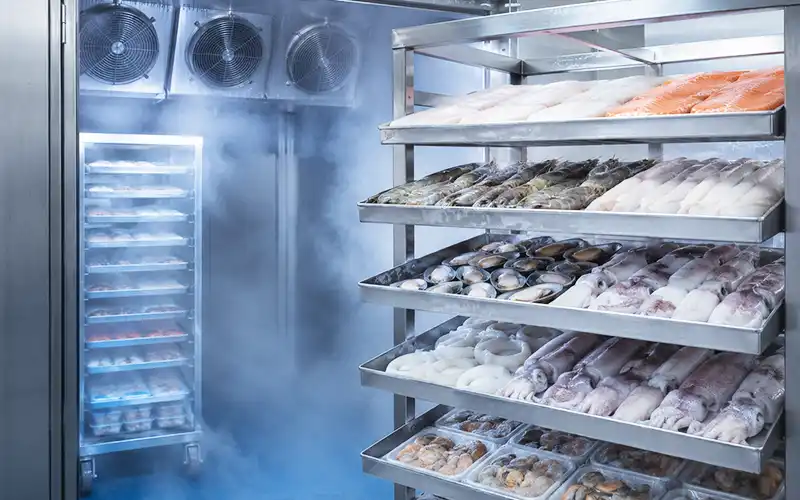
Fish and Seafood blast freezer room

Fish and Seafood

Used for fish fillets, shrimp, shellfish, squid, and packaged seafood. Temperatures of approximately -35°C to -45°C support faster freezing and reduced moisture loss.
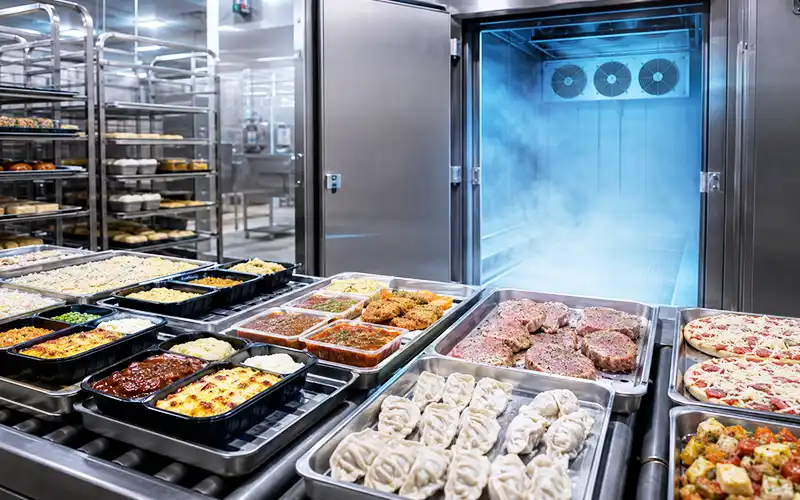
Prepared Foods blast freezer room

Prepared Foods

Suitable for ready meals, cooked meat, dumplings, pizza, sauces, and processed foods. Common freezing temperatures range from -30°C to -40°C.
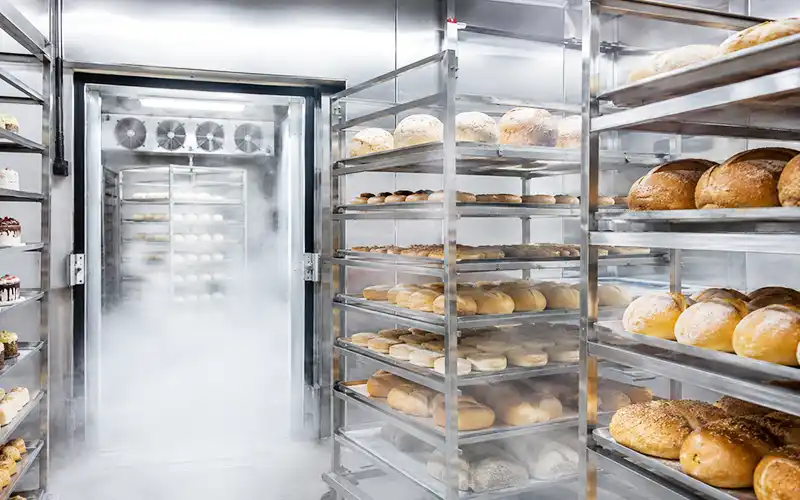
Bakery Products blast freezer room

Bakery Products

Used for dough, bread, cakes, pastries, and frozen bakery products. Typical temperatures range from -25°C to -35°C.
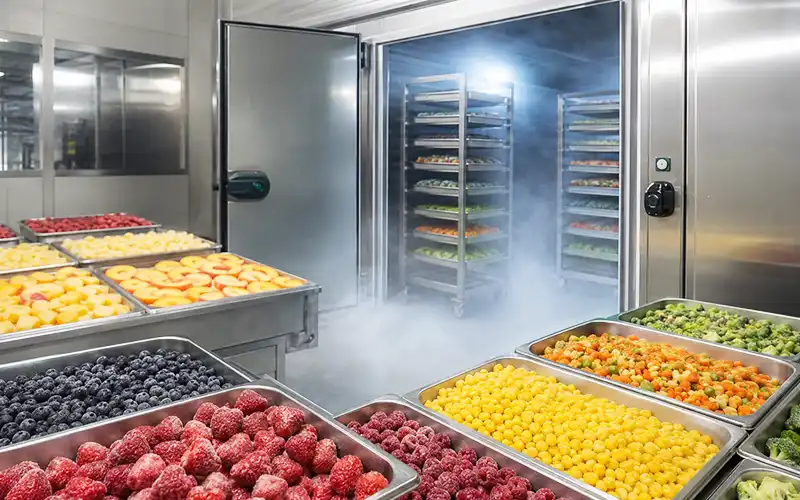
Fruits and Vegetables blast freezer room

Fruits and Vegetables

Suitable for berries, sliced fruit, corn, peas, vegetables, and preprocessed produce. Common blast freezing temperatures range from -30°C to -40°C.
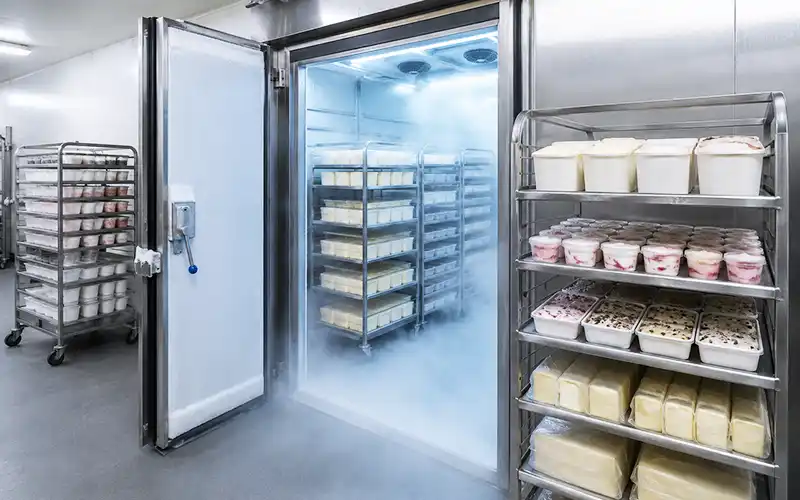
Ice Cream and Dairy Products blast freezer room

Ice Cream and Dairy Products

Used for ice cream hardening, frozen desserts, butter, and selected dairy products. Typical temperatures range from -35°C to -45°C.
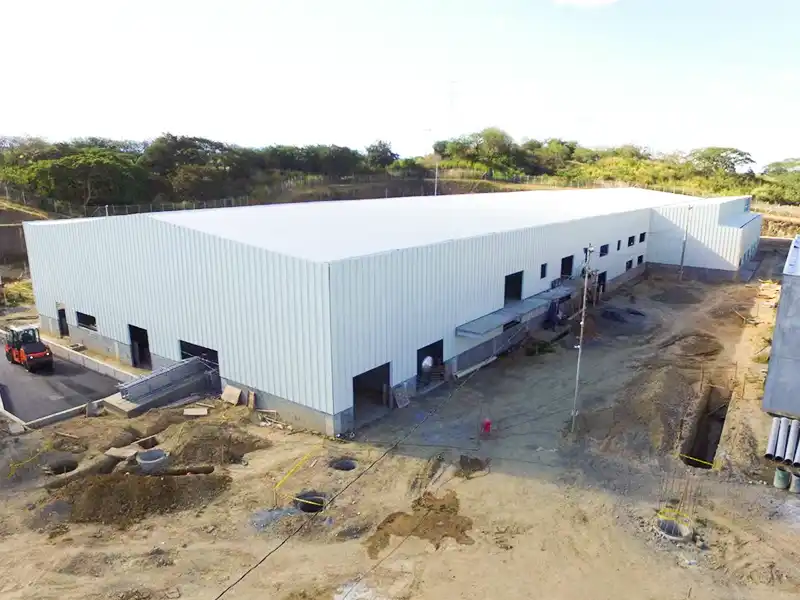
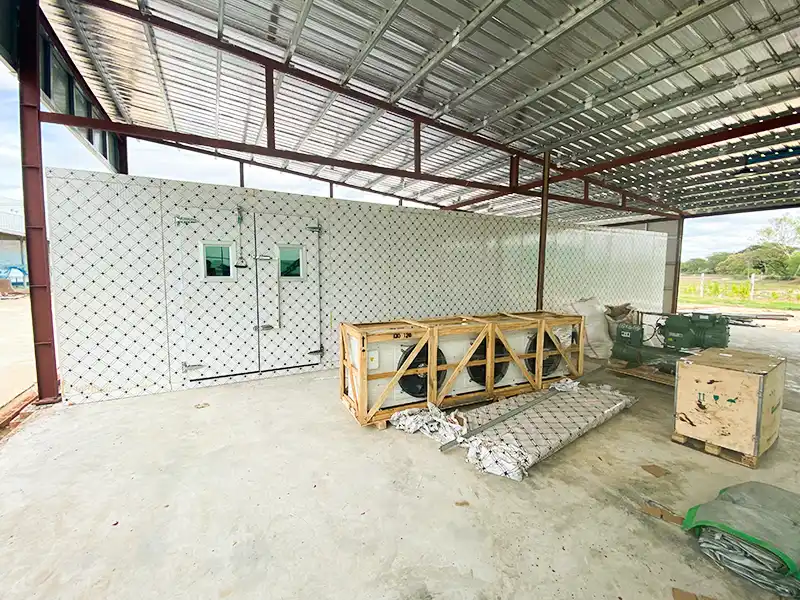
Our Project: Blast Freezer Room Project in South Africa

A frozen food processor in Johannesburg, South Africa, needed a reliable industrial blast freezer room for poultry and prepared meat products. The customer required faster freezing, uniform product temperature, and stable operation during hot summer conditions.

We supplied a 6.5 × 4.5 × 3.2 m blast freezer room with 150 mm PIR insulation panels, a low-temperature air cooler, and a high-efficiency refrigeration unit. The system was designed for a 2,000 kg batch capacity, reducing product temperature from +8°C to a core temperature of -18°C within approximately 7 hours.

The room operates at -35°C, with four trolley loading zones and optimized airflow channels. After commissioning, freezing time was reduced by about 30%, while average power consumption decreased by approximately 15% compared with the customer’s previous system.

Contact Us

We'd Love to Hear From You​!

    FAQ

    What temperature is used in a blast freezer room?

    Most blast freezer rooms operate at approximately -25°C to -45°C. The exact temperature depends on the food type, product thickness, inlet temperature, packaging, loading capacity, and required freezing time.

    For many frozen foods, the target core temperature is around -18°C. Some products may require a lower or project-specific temperature based on storage, transportation, or processing requirements.

    Freezing may take under an hour or several hours. Smaller products such as shrimp, fillets, or pastries freeze faster than large meat blocks, palletized products, or densely packed cartons.

    A blast freezer uses high-speed, low-temperature airflow to reduce product temperature quickly. A cold storage room is mainly designed to maintain already frozen products at a stable temperature for long-term storage.

    Capacity is calculated based on product weight per batch or per hour, inlet temperature, target core temperature, product dimensions, packaging, freezing time, and room operating conditions. Refrigeration load should be calculated specifically for each project.

    Blast freezer rooms commonly use 100–200 mm insulated panels. The required thickness depends on the operating temperature, local climate, room size, energy-efficiency target, and installation environment.

    In some cases, an existing cold room can be upgraded, but the insulation, refrigeration capacity, airflow, door structure, floor, and electrical system must first be evaluated. A standard cold room may not support the high cooling load required for rapid freezing.

    Yes. Both batch and continuous systems are available. Batch rooms are suitable for trolley or pallet loading, while continuous systems can be connected with conveyors for higher production volumes.

    We'd Love to Hear from You​