Custom Freezer Room Manufacturer
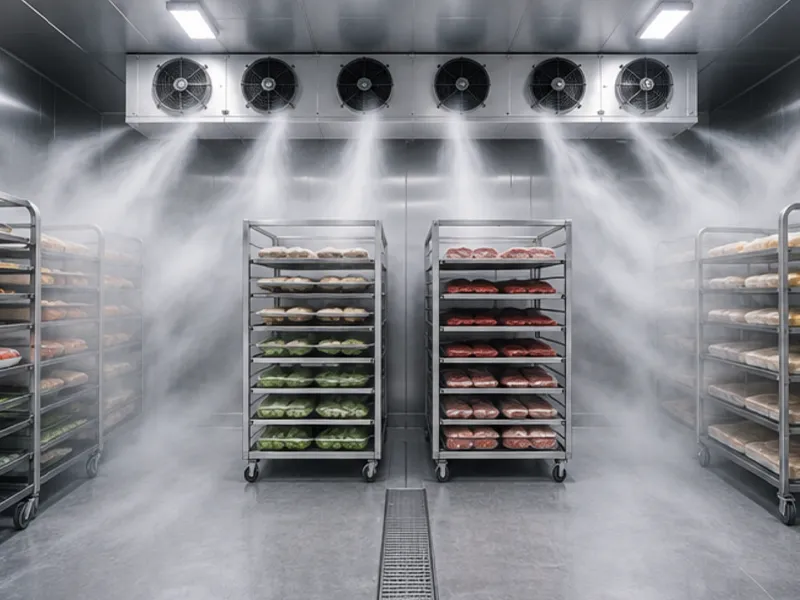
At Linble, we design insulated freezer rooms that maintain stable below-freezing temperatures for reliable product storage.
We provide stronger insulation, efficient refrigeration, protected flooring, reliable defrosting, and reduced air infiltration for consistent performance.
- Frozen Storage from -18°C to -28°C
- Custom Temperature, Size, Panels, Doors, and Refrigeration
- Indoor and Outdoor Freezer Room Solutions
Freezer Cold Room Types
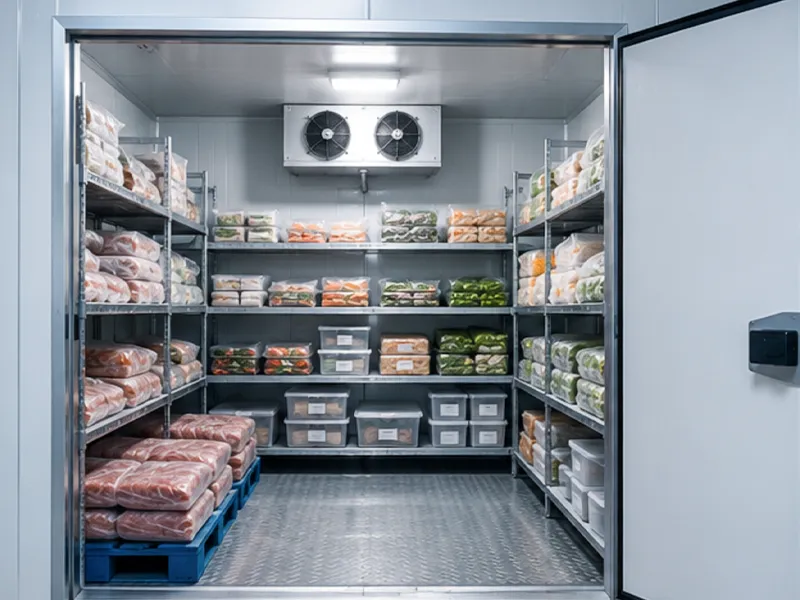
Standard Freezer Room
- Stores frozen products at -18°C to -25°C
- Suitable for meat, seafood, vegetables, and processed food.
- Balances cooling performance, insulation, and operating cost.
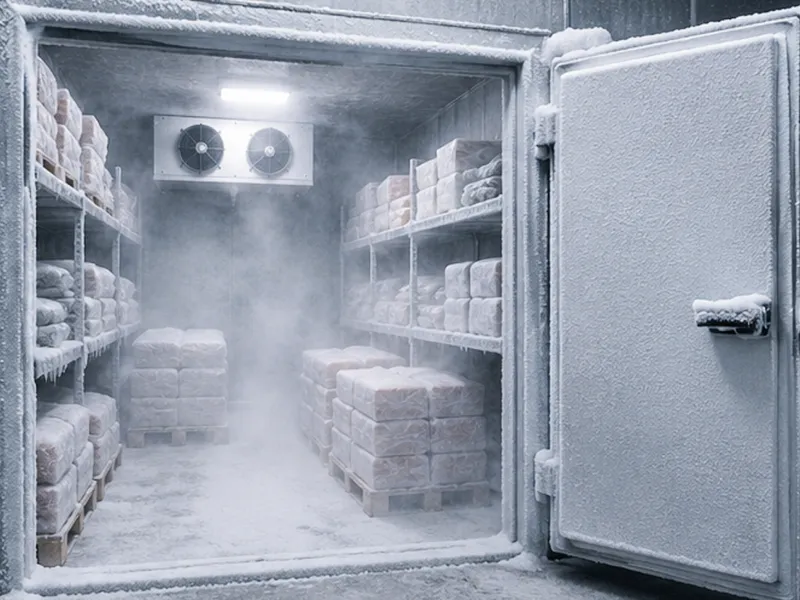
Deep Freezer Room
- Supports lower-temperature, long-term storage.
- Uses thicker insulation and stronger refrigeration.
- Suitable for products below standard freezing temperatures.
Blast Freezer Room
- Common airflow temperatures range from -30°C to -40°C.
- Uses high-speed cold airflow for rapid freezing.
- Quickly lowers the product core temperature.
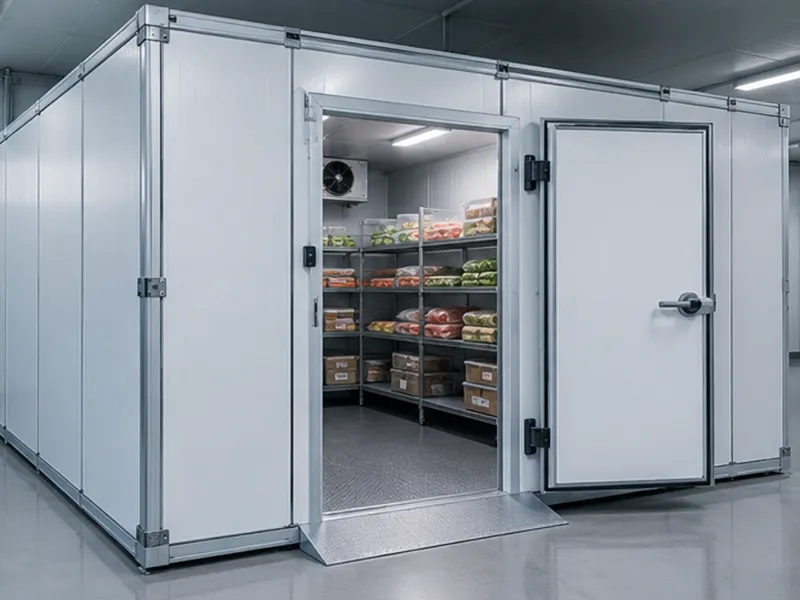
Modular Walk-In Freezer Room
- Uses prefabricated insulated panels with cam locks.
- Easy to transport, install, expand, or relocate.
- Suitable for retail, food factories, and distribution centers.
Freezer Room Temperature Options
Freezer Room Type | Suggested Room Temperature | Main Function | Typical Products |
Standard Freezer Room | -18°C to -25°C | Frozen product storage | Meat, seafood, frozen food |
Deep Freezer Room | -25°C to -35°C | Longer-term low-temperature storage | High-value frozen products |
Blast Freezer Room | -30°C to -40°C airflow | Rapid product freezing | Fresh meat, seafood, prepared food |
Dual-Temperature Room | Project-based | Separate chilled and frozen zones | Mixed food storage |
What Can Be Stored in a Freezer Room?

Meat and Poultry
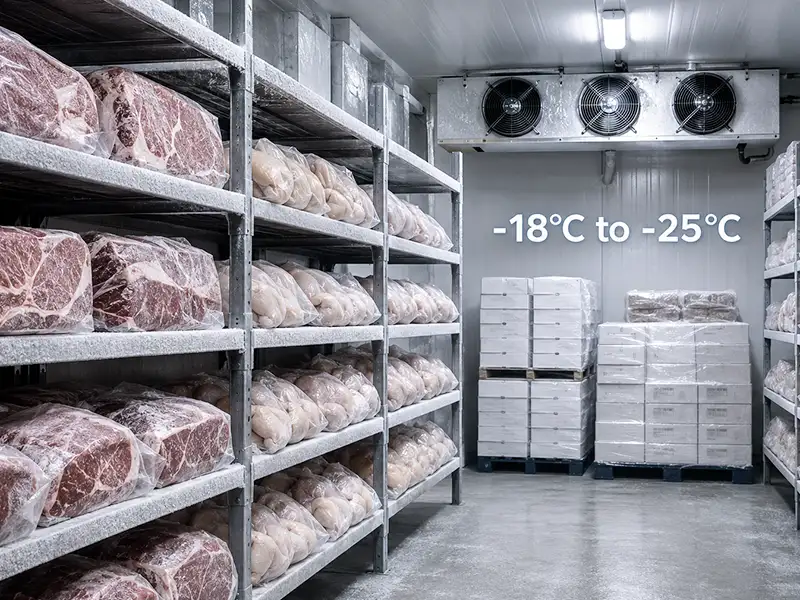
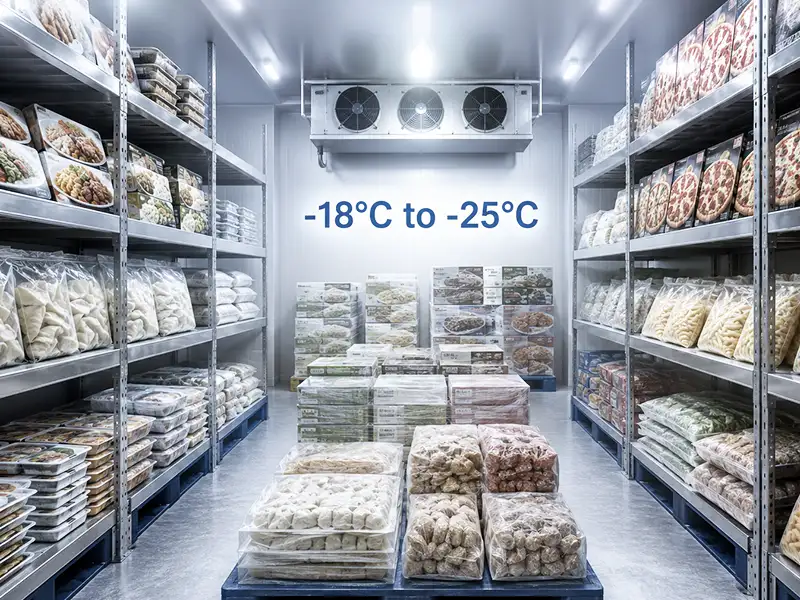
Meat and poultry are typically stored at -18°C to -25°C, helping preserve texture, freshness, and safety during long-term frozen storage.
Seafood
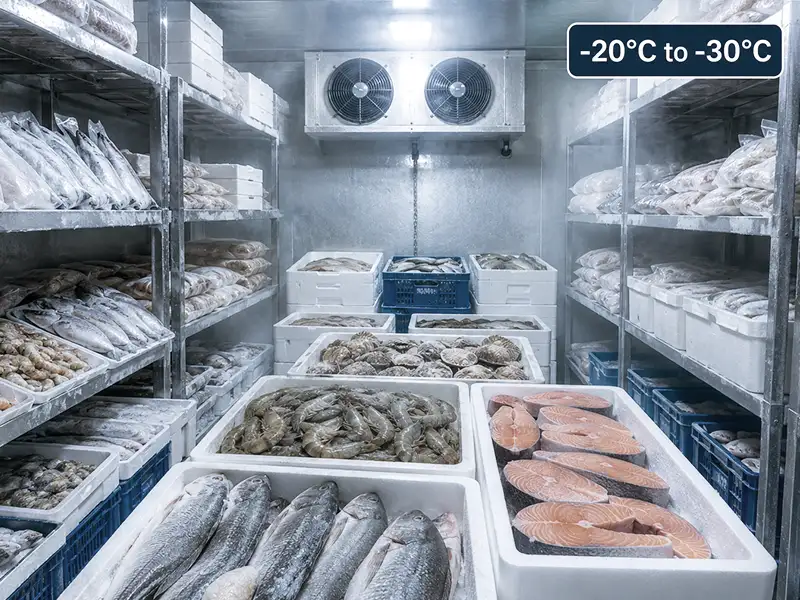
Fish, shrimp, and shellfish are commonly stored at -20°C to -30°C to maintain freshness, texture, and flavor during extended storage.
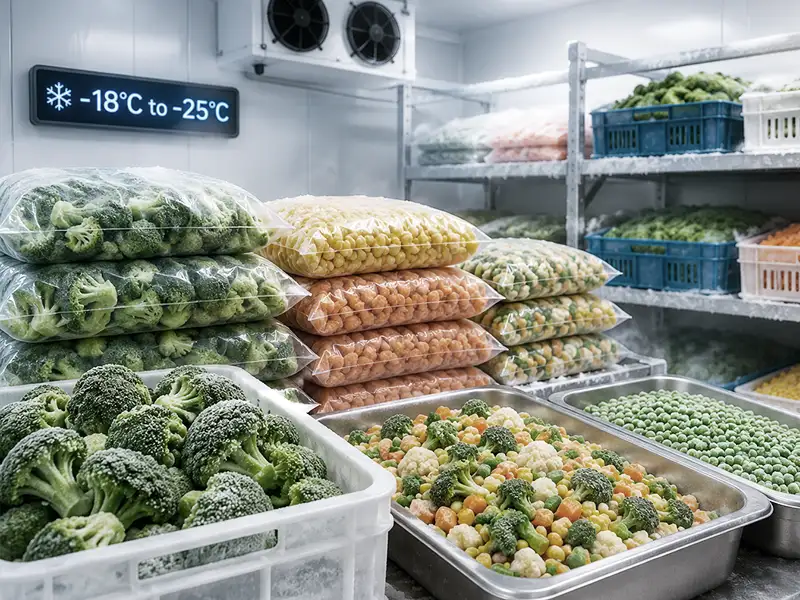
Frozen Vegetables
Frozen vegetables are generally stored at -18°C to -25°C, helping retain color, nutrients, texture, and moisture after rapid freezing.
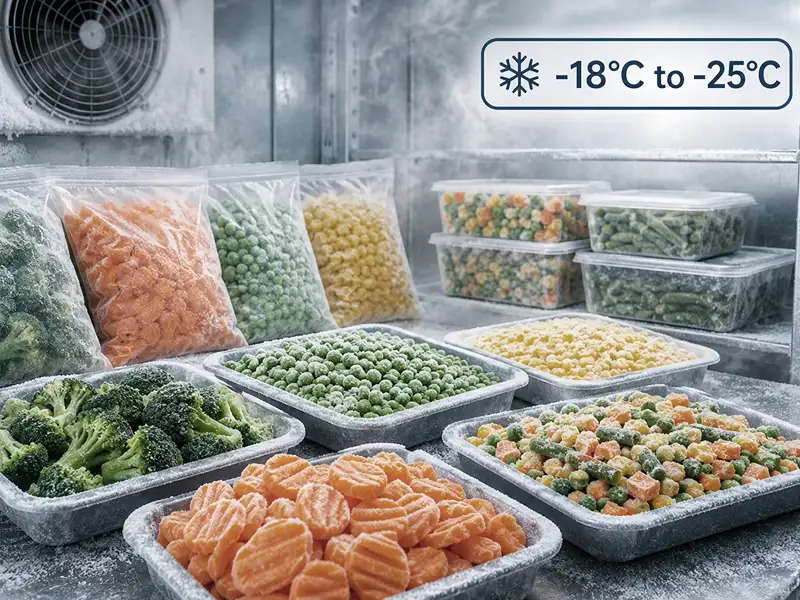
Fruits and Berries
Frozen fruits, berries, and fruit pulp are stored at -18°C to -25°C to reduce oxidation, softening, and flavor loss.
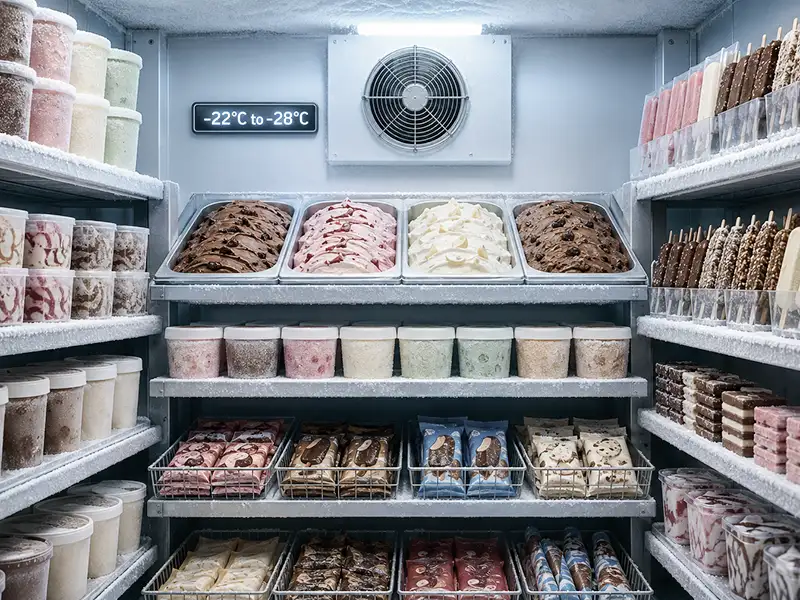
Ice Cream and Frozen Desserts
Ice cream and frozen desserts require -22°C to -28°C to prevent melting, large ice crystals, and unwanted texture changes.
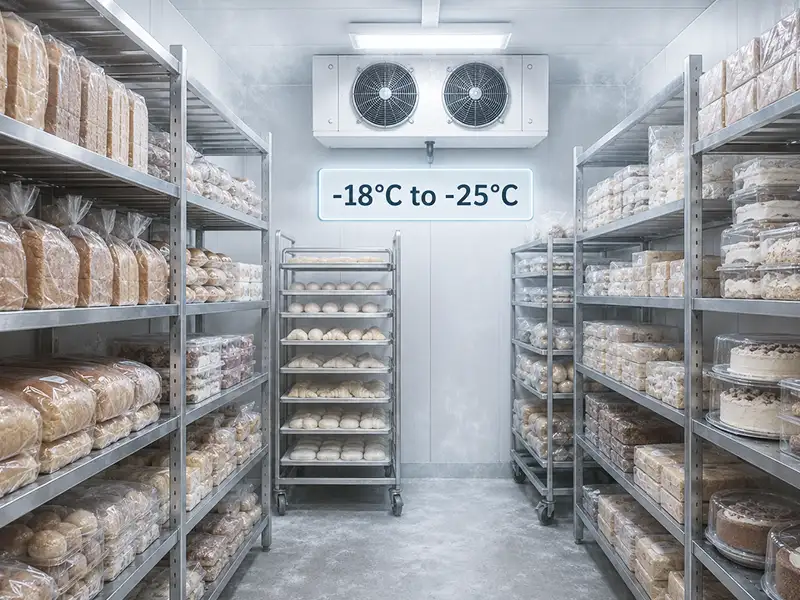
Bakery and Packaged Foods
Frozen bread, dough, cakes, and pastries are stored at -18°C to -25°C to preserve shape, moisture, flavor, and shelf life.
Prepared and Processed Foods
Frozen meals, pizza, dumplings, and fries are commonly stored at -18°C to -25°C for stable quality and safe distribution.

Pharmaceuticals Products
Many medicines and biological products require -20°C to -30°C, while specialized vaccines or samples may need -40°C or lower.
Freezer Room Defrosting Methods
Electric Defrost
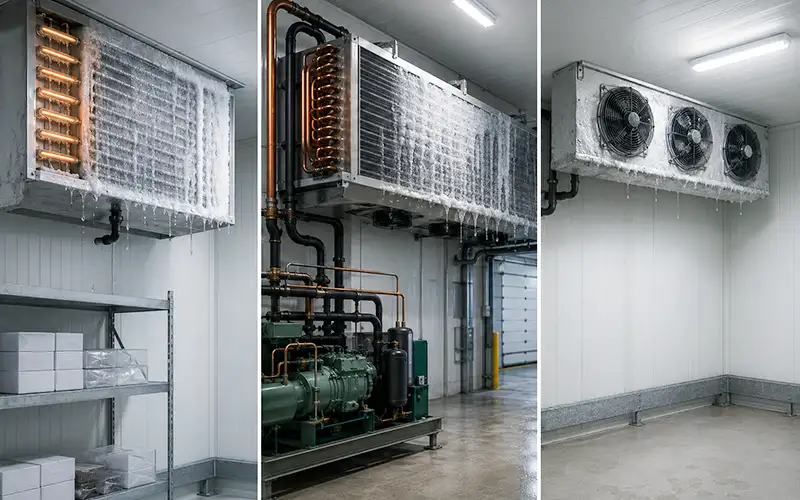
- Uses electric heaters to remove ice from the evaporator
- Suitable for many small and medium freezer rooms
- Simple configuration and convenient control
Hot Gas Defrost
- Uses compressor discharge gas for evaporator defrosting
- Suitable for larger or frequently operated low-temperature systems
- Requires more detailed piping and control design
Off-Cycle Defrost
- Stops refrigeration and relies on surrounding air to melt frost
- More commonly suited to higher-temperature cold rooms
- Usually not the main option for low-temperature freezer rooms
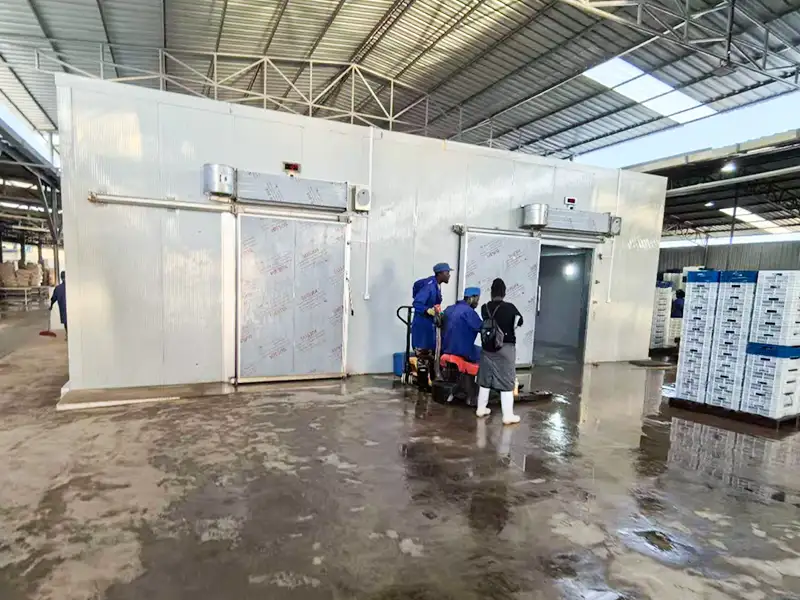
Our Project: -20°C Meat Freezer Room for a Food Processing Plant
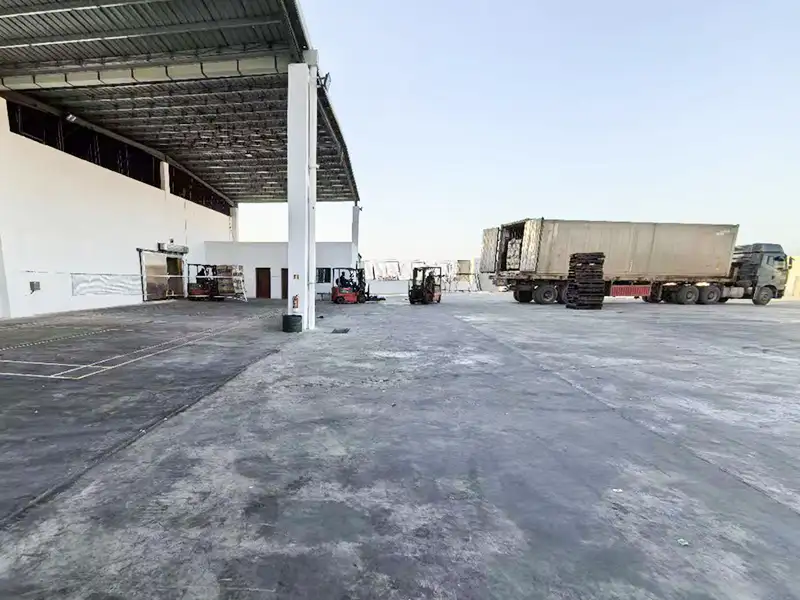
A South African meat processor required reliable cold storage for packaged beef, pork, and poultry. High ambient temperatures, frequent loading, and forklift traffic increased warm-air infiltration and refrigeration demand.
Linble designed a modular freezer room with reinforced insulated flooring, thick PU panels, an electric defrosting system, and balanced evaporator airflow.
The sliding door included frame heating and flexible strip curtains to reduce frost formation and cold-air loss during daily loading operations.
- Room Size: 12 × 8 × 4 m
- Storage Capacity: Approximately 80 tons
- Design Temperature: -20°C
- Panel Thickness: 150 mm PU panels
- Door Type: Insulated sliding door
- Refrigeration System: Air-cooled condensing units
- Storage Method: Pallet racking and forklift access
The freezer room keeps meat at -18°C to -22°C, supports efficient pallet handling, and quickly restores stable temperatures after frequent door openings.


Contact Us
We'd Love to Hear From You!
FAQ
What is the ideal temperature range for a freezer room?
Most freezer rooms operate between -18°C and -25°C. Lower temperatures may be required for ice cream, seafood, pharmaceuticals, or long-term frozen storage.
How does a freezer room differ from a chiller room?
A freezer room stores products below 0°C, while a chiller room usually maintains temperatures between 0°C and 10°C for fresh product preservation.
How thick should freezer room panels be?
Common panel thicknesses range from 100 mm to 200 mm. The final thickness depends on room temperature, ambient conditions, insulation material, and energy-efficiency requirements.
Does a freezer room require an insulated floor?
Yes. An insulated floor reduces ground heat transfer, prevents frost damage, and supports stable low-temperature operation, especially in medium and large freezer rooms.
Which refrigeration system is suitable for my freezer room?
The system depends on room size, storage temperature, product load, ambient temperature, and door-opening frequency. Air-cooled systems are common, while water-cooled systems suit specific projects.
How is freezer room capacity calculated?
Capacity is calculated using room dimensions, storage density, product type, pallet layout, aisle space, and refrigeration load rather than room volume alone.
How much electricity does a freezer room consume?
Power consumption depends on insulation, room size, target temperature, product loading, ambient conditions, door use, compressor efficiency, and defrost frequency.
Can a freezer room be installed outdoors?
Yes. Outdoor freezer rooms require weather-resistant panels, waterproof sealing, suitable roofing, protected refrigeration equipment, and structural reinforcement for local climate conditions.