
Expanding an existing freezer room requires more than adding extra storage space. The refrigeration system, insulation structure, layout design, and daily operation process all need to work together.
1. Before Expansion: Evaluate Current Freezer Room Conditions
Before expanding a freezer room, businesses should first evaluate the existing system performance. Understanding the current capacity and limitations helps determine whether the current structure can support additional storage space.
A proper evaluation should focus on several key areas:
| Evaluation Item | Why It Matters |
| Existing Cooling Capacity | Determines whether refrigeration can support added space |
| Insulation Performance | Ensures the expanded area maintains stable temperature |
| Equipment Condition | Identifies whether upgrades are required |
| Storage Workflow | Helps avoid disrupting daily operation |
| Door Usage Frequency | Shows whether access patterns may affect temperature stability |
For example, a supermarket may need additional freezer space before seasonal demand increases. Checking the existing system first helps determine whether a simple extension is possible or whether refrigeration upgrades are required.
A proper evaluation also helps businesses avoid investing in an expansion that the existing system cannot support.
2. Expansion Planning: Match the New Layout with Existing Operation
A freezer room expansion should not be designed separately from the existing storage area. The new layout should support current workflows and avoid creating unnecessary product handling difficulties.
Businesses should consider:
- Connection between old and new storage areas
- Product movement routes
- Door locations
- Equipment placement
- Future storage requirements
A well-planned expansion allows employees to continue daily operations with minimal changes. For food processing facilities, maintaining smooth product movement is especially important because production and storage activities often continue without interruption.
The expanded area should also match the existing storage method. For example, if the current freezer room uses shelving systems, the new section should consider the same arrangement to maintain consistent operation.
3. Refrigeration Capacity: Check Existing System Capability
The refrigeration system is one of the most important factors during freezer room expansion. Adding more storage space increases cooling demand, and the existing system may not always provide enough capacity.
Businesses should evaluate:
| Refrigeration Factor | Expansion Consideration |
| Cooling Capacity | Whether current equipment can handle additional volume |
| Compressor Performance | Whether operating load remains suitable |
| Evaporator Layout | Whether cold air can reach the expanded area |
| Temperature Control | Whether the larger space maintains stable conditions |
If the existing refrigeration system is already operating close to its maximum capacity, simply increasing room size may reduce cooling performance.
In some cases, upgrading refrigeration components or adding additional equipment may be more suitable than expanding the room without system adjustments.
For businesses with continuous storage requirements, maintaining stable temperature after expansion is more important than simply increasing available space.
4. Insulation Connection: Maintain Temperature Stability
Insulation quality directly affects freezer room performance after expansion. The connection between the original structure and the new section requires careful installation to prevent heat leakage.
Important areas include:
- Panel connection points
- Wall and ceiling joints
- Floor insulation
- Door sealing areas
Poor connections between old and new insulation panels may create temperature differences and increase refrigeration workload.
During expansion, businesses should ensure the new insulation system matches the existing structure. Consistent insulation performance helps the entire freezer room maintain stable operating conditions.
For example, a food processing facility operating in a warm environment may experience higher cooling demand after expansion if insulation connections are not properly handled.
5. Operation Management: Minimize Disruption During Construction
One of the biggest concerns during freezer room expansion is maintaining normal business operation. Products, employees, and storage activities should be considered throughout the construction process.
Practical approaches include:
- Expanding in sections when possible
- Preparing temporary storage solutions
- Scheduling work during lower-demand periods
- Protecting existing products from temperature changes
For restaurants and supermarkets, completely stopping freezer room operation may not be practical. A phased expansion plan allows businesses to increase storage capacity while continuing normal activities.
Clear communication between the expansion team and daily operators also helps reduce unnecessary disruption.
6. After Expansion: Optimize Storage Arrangement
After expanding a freezer room, product arrangement should also be updated. The additional space provides an opportunity to improve storage organization and cooling efficiency.
Businesses should review:
- Product zoning
- Shelf placement
- Airflow paths
- Frequently accessed areas
- Long-term storage locations
A larger freezer room does not automatically mean better efficiency. Poor storage arrangement after expansion may block airflow or increase unnecessary product movement.
A practical layout helps the refrigeration system work more effectively and improves daily inventory management.
For example, frequently accessed products can be placed closer to the entrance, while long-term storage products can be arranged in less frequently used areas.
7. Supporting Upgrades: Improve Long-Term Performance
Freezer room expansion may require updates to supporting components, not only additional storage space.
Additional requirements may include:
- Extra shelving systems
- Additional lighting
- Expanded temperature monitoring points
- Updated drainage systems
- New door systems
These components influence daily usability and long-term management.
For example, adding temperature monitoring points in the expanded area helps operators understand whether the new section maintains stable conditions and allows faster response when problems occur.
Supporting upgrades should be considered part of the expansion plan rather than separate improvements after completion.
8. Future Planning: Prepare for Further Expansion
A freezer room expansion should solve current storage needs while considering future business growth. Repeated modifications may increase costs and create additional operational challenges.
Businesses should consider:
- Expected inventory growth
- Product category changes
- Increased production volume
- Additional storage requirements
A flexible expansion design allows future modifications with fewer adjustments. For expanding enterprises, advance planning can deliver superior long term benefits and lower demands for repeated site reconstruction.
How to Manage an Expanded Freezer Room Efficiently?
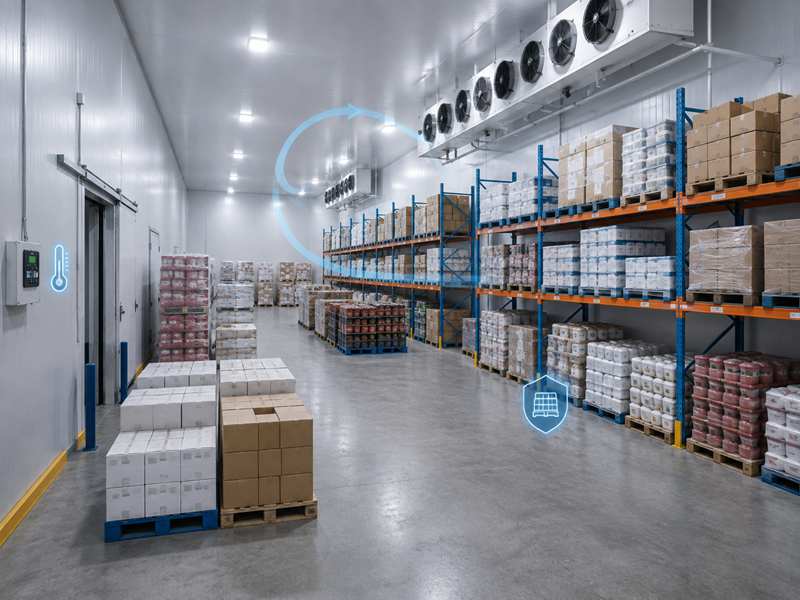
After increasing freezer room capacity, daily management should also be adjusted to match the new storage space. A larger area requires better organization to maintain cooling performance and improve operation efficiency.
Businesses should focus on:
- Keeping product categories organized
- Maintaining clear airflow paths
- Adjusting storage areas based on usage frequency
- Monitoring temperature changes after expansion
Proper management helps the expanded freezer room maintain stable performance and allows businesses to make full use of the additional storage capacity.