
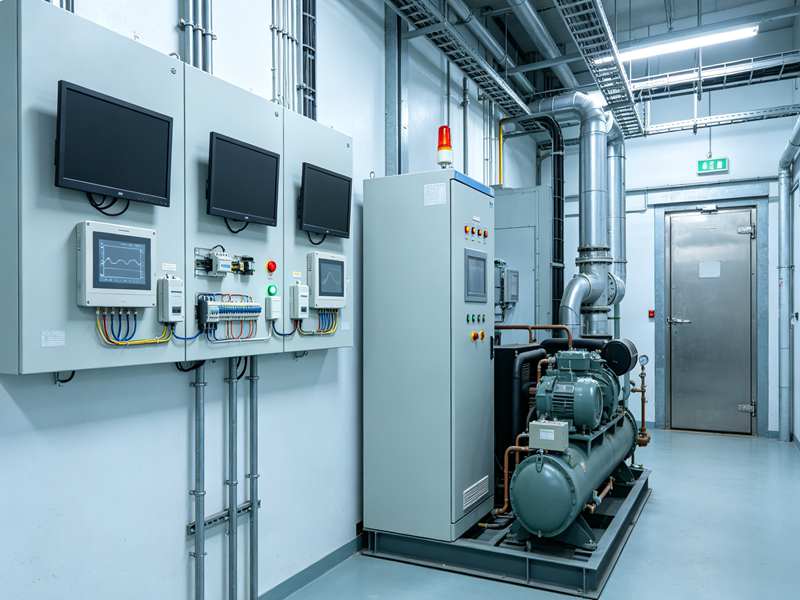
Real-time temperature tracking helps businesses monitor chiller room conditions, identify abnormal changes, and maintain stable storage environments. Through a chiller room monitoring system, operators can understand temperature changes as they happen and respond quickly before small issues become larger problems.
Benefits of Real-Time Temperature Monitoring System
Real-time temperature tracking matters because chiller room conditions can change quickly during daily operation. Door opening, product loading, refrigeration performance changes, and unexpected failures may all affect internal temperature.
The value of real-time tracking is not only recording temperature data. More importantly, it helps businesses identify changes early, maintain stable storage conditions, and make better decisions based on actual operating information.
1. Identify Temperature Changes Immediately
A chiller room monitoring system continuously collects temperature data and helps operators detect abnormal changes faster than manual inspections.
Temperature problems may occur during:
- Refrigeration equipment issues
- Frequent door opening
- Product loading and unloading
- Power interruptions
Real-time tracking helps businesses:
- Detect sudden temperature increases
- Receive alerts when conditions exceed limits
- Respond before products are affected
For example, if a refrigeration problem occurs overnight, the monitoring system can provide an early warning instead of waiting until employees manually check the room the next day. This helps operators respond faster, reduce potential product losses, and maintain more stable storage conditions.
2. Understand Temperature Stability Over Time
Real-time tracking is not only about checking the current temperature. A chiller room monitoring system also records temperature changes over time, helping businesses understand whether the storage environment remains stable.
Continuous temperature data helps operators analyze:
- Temperature fluctuation frequency
- Recovery time after door opening
- Changes during loading and unloading periods
| Temperature Information | Why It Matters |
| Current Temperature | Shows the present storage condition |
| Temperature Trend | Identifies whether conditions are becoming unstable |
| Historical Data | Helps analyze repeated temperature changes |
For example, a supermarket may discover that temperature fluctuations happen frequently during peak stocking periods. By reviewing temperature data, operators can adjust workflows and reduce unnecessary temperature changes.
3. Reduce Risks Caused by Delayed Response
Temperature problems often become more serious when they are discovered too late. Without continuous monitoring, abnormal conditions may continue between manual inspection periods.
A chiller room monitoring system reduces this risk by providing:
- Faster Problem Detection:
Temperature abnormalities can be identified shortly after they occur. - Quicker Response Actions:
Operators can check equipment conditions or adjust operation procedures earlier. - Better Product Protection:
Timely responses help reduce risks caused by unstable storage conditions.
| Situation | Without Real-Time Tracking | With Real-Time Tracking |
| Equipment abnormality | May only be discovered during inspection | Can trigger early warning |
| Temperature increase | Longer response time | Faster problem handling |
| Repeated temperature issues | Difficult to identify patterns | Easier to analyze causes |
Early notification is particularly useful during non-working hours or busy operating periods when employees may not be able to check storage conditions frequently. A faster response can prevent small temperature issues from developing into larger problems.
4. Improve Decision-Making with Real-Time Data
Chiller room monitoring equipment supplies uninterrupted operational information to aid enterprises with optimized management choices. Instead of relying only on experience or occasional checks, operators can use actual temperature information to improve daily management.
Real-time data helps businesses:
- Optimize Operation Procedures:
Temperature records can show whether door opening, product handling, or workflow arrangements affect storage conditions. - Identify Repeated Problems:
Historical data helps operators find temperature patterns and investigate possible causes. - Improve Storage Management: Decisions rooted in factual data help facilities keep internal working conditions more consistent.
| Real-Time Data | Management Value |
| Temperature Trends | Helps identify repeated fluctuations and abnormal patterns |
| Historical Records | Supports long-term performance analysis |
| Alarm Records | Helps review previous problems and response results |
A food processing facility may find that temperature changes often happen during loading periods. By analyzing monitoring data, operators can identify the causes of these fluctuations, adjust loading procedures, and reduce unnecessary temperature changes during daily operation.
What Data Should a Chiller Room Monitoring System Track?
A suitable monitoring system should provide useful information rather than only displaying one temperature value. Different types of temperature data help businesses understand current conditions, identify repeated issues, and improve long-term storage management.
The most important monitoring data includes:
| Monitoring Data | Purpose |
| Real-Time Temperature | Check current storage conditions and detect abnormal changes quickly |
| Temperature History | Review previous operating changes and analyze long-term performance |
| Temperature Trends | Identify repeated fluctuations and possible operation problems |
| Alarm Records | Review previous temperature issues and response results |
Real-time temperature shows the current condition of the chiller room, while historical records help businesses understand why temperature changes happen. Operators may leverage combined multi-source data for sounder management choices, instead of merely counting on sporadic manual inspections.
How Different Businesses Benefit from Real-Time Temperature Tracking?
Different applications have different storage requirements. A chiller room monitoring system provides practical value by helping businesses maintain better control over temperature conditions.
| Application | Monitoring Value |
| Restaurant | Helps maintain ingredient storage conditions during daily operation |
| Supermarket | Supports continuous monitoring during frequent product access |
| Food Processing Facility | Provides stable temperature management during production and storage |
Restaurants usually focus on preventing ingredient storage problems caused by frequent access or improper operation. Supermarkets often need continuous monitoring because products are handled frequently throughout the day.
Food processing facilities may require more detailed temperature records because storage conditions can affect production schedules and product management. Real-time monitoring helps these businesses understand temperature changes and adjust operation procedures when needed.
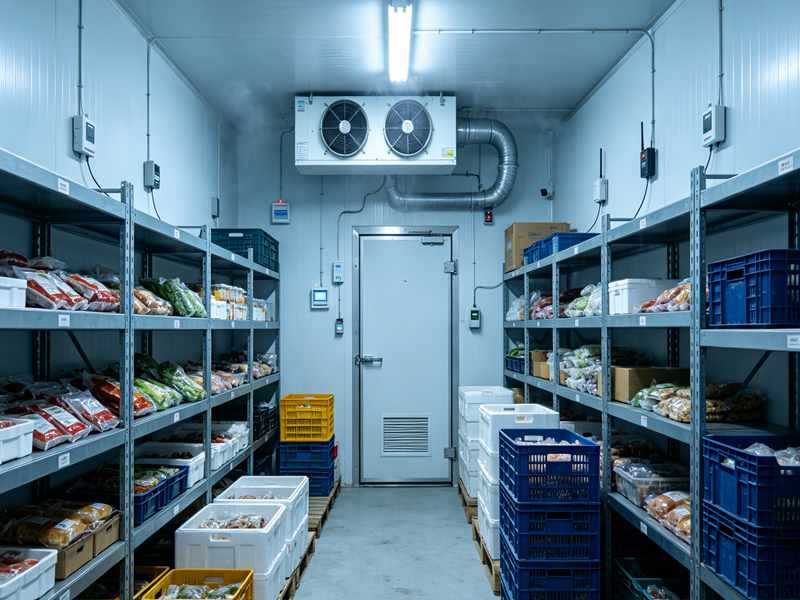
Choosing a Suitable Chiller Room Monitoring System
The right monitoring solution should match the actual operating requirements of the chiller room. Businesses should consider how much information they need and how frequently the storage environment changes.
Important factors include:
- Storage Area Size:
Larger chiller rooms may require multiple sensors to monitor different locations. - Monitoring Requirements:
Some businesses need basic temperature display, while others require alerts and historical data. - Remote Access Needs:
Facilities with multiple storage areas may benefit from remote monitoring functions. - Data Management Requirements:
Businesses that need performance analysis should consider systems with data recording features.
Businesses should also consider future storage requirements when selecting a monitoring solution. A flexible system with expandable sensors and data management functions can support changing operation needs and provide better long-term value.