
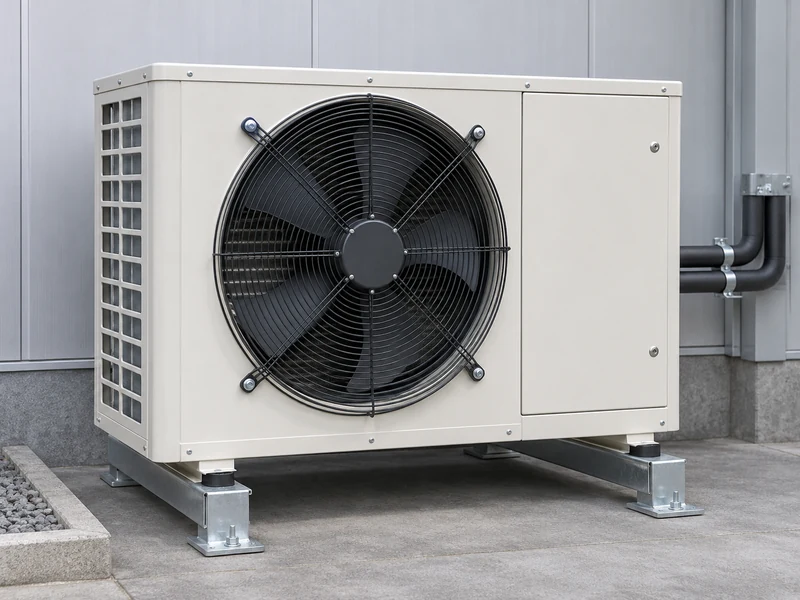
A cold room condensing unit price is comparable only when the units deliver the same required duty and the quotes cover the same work. One supplier may price an outdoor box, while another includes a matched evaporator, controls and commissioning. Ask LINBLE for the selection at your design conditions and mark every quoted item as factory fitted, loose supply, site supplied or excluded.
Are the Two Units Rated for the Same Job?
Start with refrigeration capacity at the specified evaporating condition and the design air temperature entering the condenser. Add the refrigerant and electrical supply, plus the rating conventions used on the selection sheet.
Compressor motor horsepower is an equipment descriptor. It cannot establish how much refrigeration a unit delivers on a hot day at the required suction condition.
LINBLE’s cold room condensing unit range includes several air-cooled box configurations. Use the product family to narrow the physical arrangement, then ask for the selected model and performance sheet. If a listing describes condenser heat exchange capacity, check the separate refrigeration capacity at the proposed duty point before comparing it with room load.
The AHRI performance rating standard for positive displacement condensing units provides a framework for published ratings within its scope. For a particular quotation, the model selection still has to show the rating inputs and capacity relevant to the project. Any reference to an applicable standard should be backed by the appropriate product data.
What Goes on the Common Duty Sheet?
List the room and product temperatures, peak product load and time allowed to cool it. Add the condenser location, hot-weather design basis and voltage, phase and frequency. Include line length and vertical rise so the supplier can state the conditions used to select the system.
Ask for net capacity and input under the same assumptions, and identify any capacity required during abnormal or backup operation. If a salesperson replaces the model after issuing the quote, ask for the same selection points on the revised sheet. LINBLE’s condensing unit sizing guide can help the buyer supply the inputs before this comparison starts.
Which Parts Are Inside the Box?
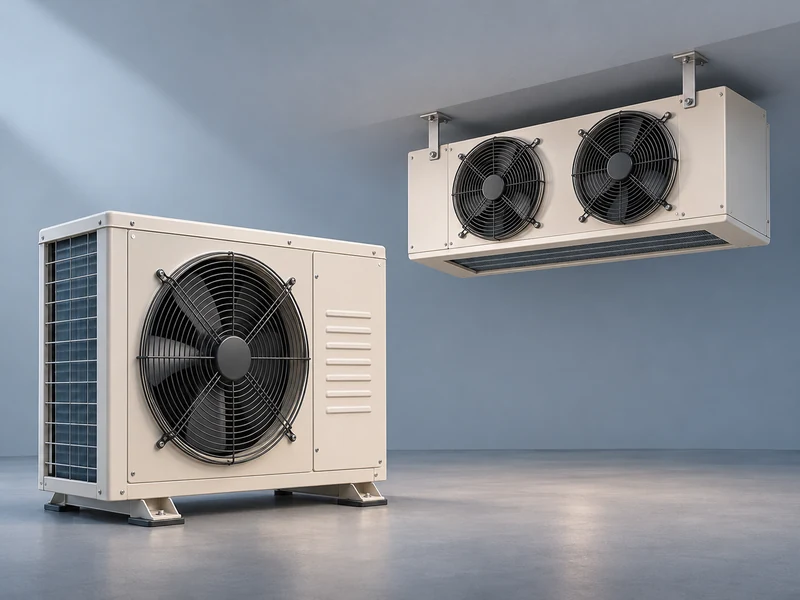
Request a model-specific bill of materials that distinguishes installed components from items supplied loose. The compressor and condenser identify the assembly, but the package may also contain a receiver, protections, valves or a control enclosure. Their presence and specification depend on the quoted configuration.
| Scope Line | Evidence to Ask For | Cost Left Open if the Line Is Vague |
| Outdoor assembly | Model selection, dimensions, fitted components and wiring diagram | Additional protective devices, enclosure or control work |
| Indoor equipment | Matched coil selection, defrost and fan details | Separate purchase of the evaporator and associated parts |
| Line set and installation materials | Stated allowance, sizes or selection basis and responsible trade | Copper, insulation, supports and refrigerant for the actual route |
| Testing and handover | Scope of startup, records and responsible party | Local labor and return visits to resolve integration problems |
“Control included” can describe compressor protection inside the condensing unit or a room controller that coordinates the compressor, fans, defrost and alarms. Ask which inputs and outputs are wired and who finishes connections on site. Include any door interlock or remote alarm interface needed for normal operation.
Is the Evaporator a Real Match or a Separate Allowance?
Check the LINBLE cold room evaporator selection against the same refrigerant and evaporating basis. Review coil duty, airflow, defrost type and electrical requirements for the room. An evaporator called out by nominal capacity alone may leave the installer to resolve airflow, expansion device and control compatibility.
Have the quote identify who supplies the expansion device and liquid line components where applicable. Look for the type and configuration in the piping schedule, rather than assuming that an outdoor box contains everything up to the coil. The complete evaporator quote guide helps you reconcile the indoor side of a combined package.
Where Can the Site Add Cost After the Unit Is Ordered?
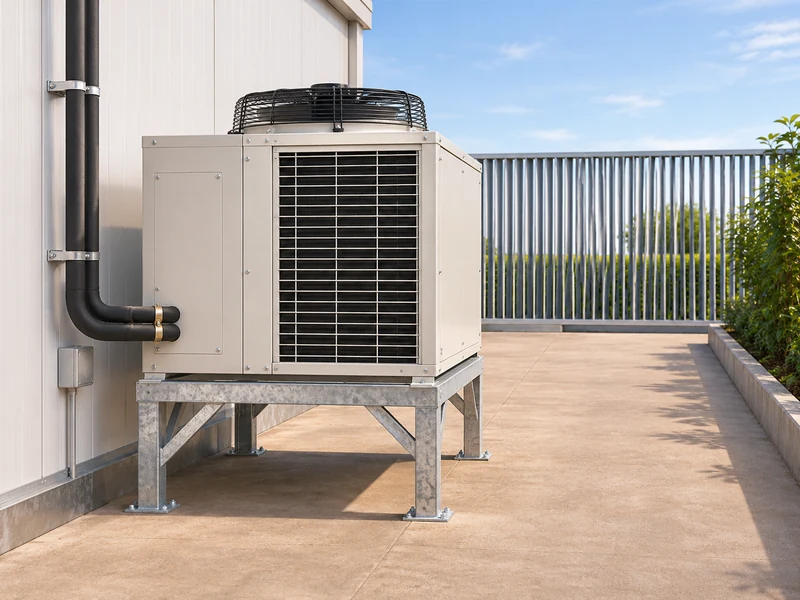
The route from the condenser to the coil and the space around the outdoor cabinet can change the real installed cost. Walk the path and mark lengths, vertical lifts, support points, working clearance and the intended service side. Ask the refrigeration contractor to verify the route against the selected system before ordering materials.
For example, an outdoor unit shown beside a wall may be moved onto a roof when the yard layout changes. The proposal then has to account for revised lifting, supports, line routing, power and service access. Rerating or reselecting the unit may also be necessary if the new location changes condenser inlet conditions.
Which Electrical Costs Belong in the Site Allowance?
Separate electrical demand from electrical work. Ask for the equipment data needed by the electrical designer, then record who provides branch circuits, protection, disconnects and interconnecting cables. Include the evaporator, defrost and any auxiliary heaters or controls on the project schedule.
Use the LINBLE cold room electrical requirements guide to review incoming power and the installation interface. If the procurement team is comparing only the outdoor equipment, keep site allowances visible on a separate sheet. This allows the two box prices to remain comparable while preserving the cost of completing the project.
How Do You Compare a Unit-Only Quote With a Complete Package?
Bring both offers to a single worksheet with identical design assumptions. Place equipment, delivery, field materials, trade labor, startup and warranty responsibilities on separate lines. List what the buyer still needs to purchase and use the same scope basis for both totals.
Imagine that Offer A includes an outdoor assembly and loose accessories, while Offer B includes the matching evaporator, room controller and an agreed startup visit. If the project already has an approved coil and a qualified contractor, Offer A may be straightforward to integrate. If those parts are still unassigned, their cost and the responsibility for making them work belong next to the quoted box price.
Ask who records the final operating data and who handles a fault at the interface between the unit and field-installed equipment. Clarify the warranty start point, covered parts and local labor arrangements in the commercial documents. Two packages with similar hardware can still leave the buyer with different obligations after handover.
The cleanest LINBLE enquiry is a room load, a dimensioned layout, a power supply and a list of what the buyer expects to receive. Once the model and the boundaries are written against those inputs, the unit price becomes one line in a comparison the installer can actually use.