
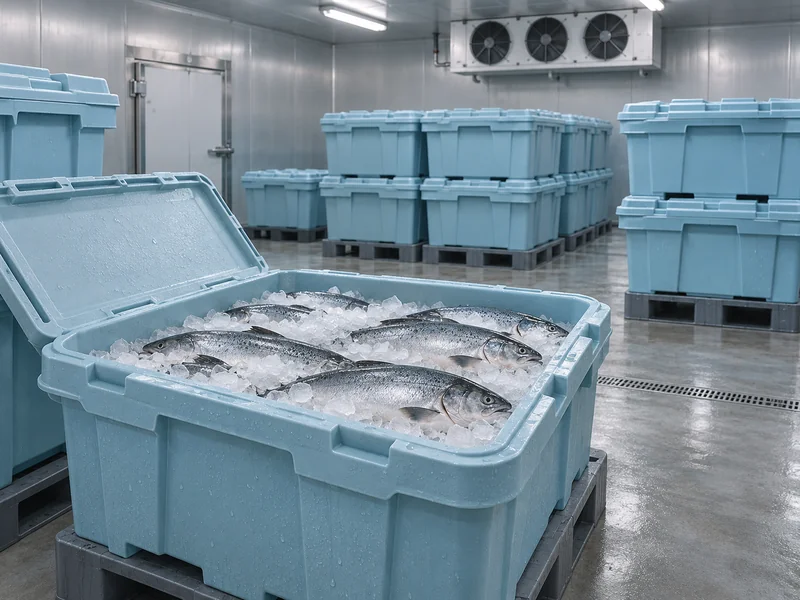
Fish cold room price follows the flow of iced boxes through the room. Peak box count and dwell time determine usable space, while arrival temperature, batch size, door traffic and drainage shape the equipment and installation. Give LINBLE the busiest receiving period and the state of the fish at intake before comparing quotes for rooms of the same size.
Does the Room Hold Iced Fish or Help Chill an Incoming Batch?
Define what the room must do when the boxes arrive. Fish that is already at the receiving target with ice remaining presents a different duty from a warm batch that still needs to reach a specified temperature within a defined period. Have the project team record how much of that initial chilling is expected from the ice process and how much the room is designed to handle.
LINBLE’s fish cold room solutions cover chilled and frozen applications. For a room holding iced boxes, send the actual product and pack details before choosing a layout or coil. If the process needs rapid chilling at intake, specify that step explicitly and agree how the result will be checked in representative boxes.
The FAO engineering guidance on icing fish distinguishes ice used to chill incoming fish from ice that mainly protects already chilled fish against heat gain. That distinction helps define the receiving load. LINBLE’s article on why chilled fish still needs ice explains why the state of the product inside the box can differ from the reading on the cold room display.
How Do You Write a Useful Receiving Profile?
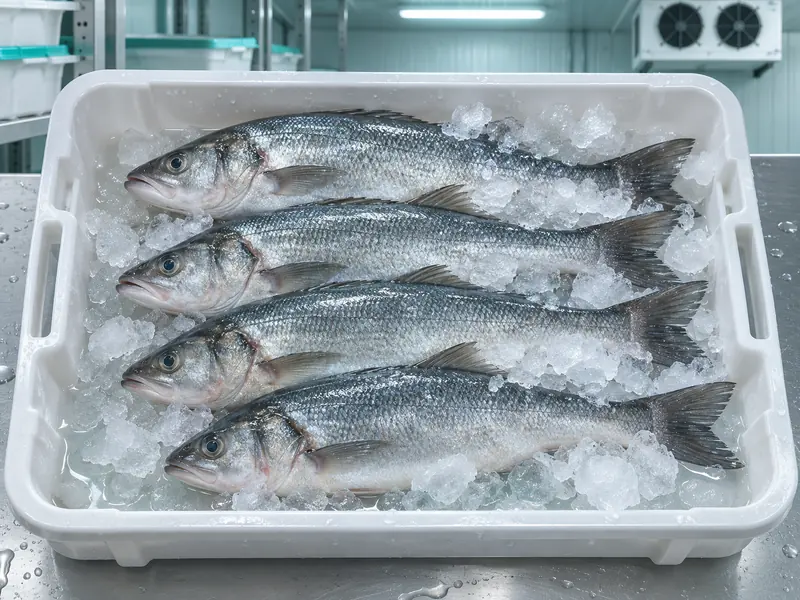
Record the product mass, ice mass and crate mass separately, with a typical value and a credible busy-day value. Measure or specify the incoming fish temperature and describe where it is checked. Note whether the boxes are drained, lidded and already cold, and whether new ice is made or stored within the project scope.
Suppose two sites each receive 2,400 kg of fish a day. One gets four equal loads spread across eight hours, while the other gets the day’s fish in one truck and clears it from the dock in an hour. The same daily total creates different trolley peaks, door-open patterns and short-term loads, particularly if one delivery contains warmer fish.
| Input to Send With the Enquiry | What It Changes |
| Maximum fish and ice in one receiving period | Product load basis and receiving capacity |
| Product temperature at intake and allowed recovery time | Whether holding duty or a defined cooling process is required |
| Gross dimensions, stack height and tare of a loaded tote | Pallet layout, rack or floor loads, and usable storage |
| Boxes in the room at shift overlap | How much storage is needed at the true peak |
| Drain locations and cleaning schedule | Floor finish, drainage interface and equipment protection |
How Does Daily Throughput Become a Room Layout?
Count simultaneous stock separately from the number of boxes moved per day. A fast-turning site may have a modest overnight inventory but still need a generous receiving lane. A site that holds two lots before dispatch may need more pallet positions despite having fewer door movements.
Draw the loaded tote footprint, stacked height and handling equipment in plan. Reserve an open path for receiving and dispatch and identify which boxes may be staged outside the room under the site’s approved procedure. Leave the coil discharge and return paths clear at the maximum approved stack height.
Check whether a line of staged boxes blocks the door or forces operators to hold it open while they move older stock. LINBLE’s guide to cold rooms for fish processing plants covers how the cold spaces relate to the wider process. Use that approach at a smaller scale by drawing the path from receiving inspection to storage and dispatch.
Should a Door Change Before the Unit Gets Bigger?
A busy route can increase warm, moist air entering the room each time a door opens. If the receiving crew queues carts in the opening, ask whether a different staging arrangement, access size or door type would let the opening close between trips. Then update the assumed door schedule in the equipment selection.
Show the adjacent area’s typical temperature and moisture conditions, particularly if it is a washdown zone or open to a humid dock. Include door hardware, any selected barrier and the clearance around the opening in the installation quote. These items can affect both the operating load and the price of the enclosure.
Where Does Meltwater Go During the Busiest Shift?
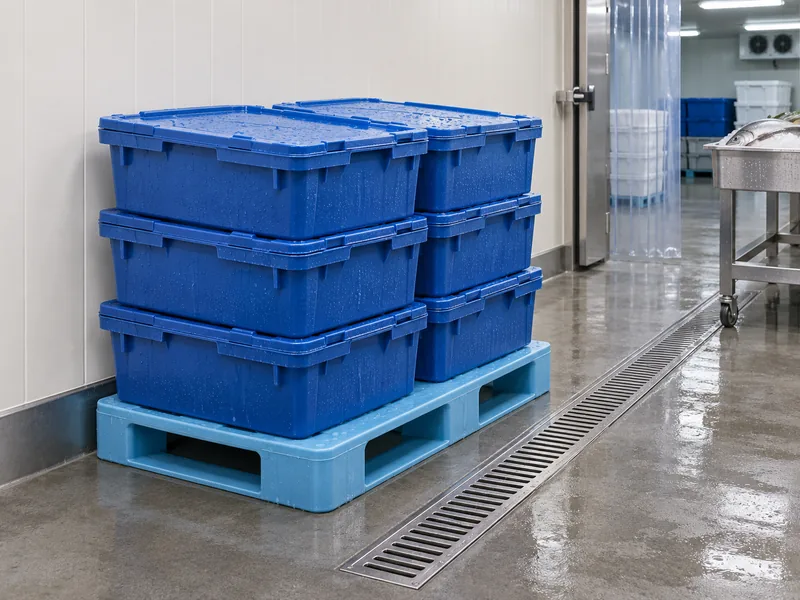
Follow the water from the tote and the coil to its approved drainage connection. Ask the site team to confirm floor falls, grate locations, cleaning access and whether the washdown flow is part of the same design. The drawing should keep pedestrian and trolley routes usable while directing water to a collection point.
A corrosion-resistant finish or more washdown protection can change the specification for the surrounding room and equipment. Send the designer the cleaning method and exposure, including products used and where the spray reaches. Check the LINBLE chiller room options against the actual floor, wall and door requirements.
What Would Two Quotes for the Same Room Volume Include?
Picture two rooms with the same outside dimensions. Room A holds prechilled fish with good ice coverage and receives several small lots, so the key checks may be space, door traffic and maintaining a consistent holding condition. Room B receives the full day’s load together and is expected to help cool it, with a larger meltwater flow around receiving.
For Room B, verify the product load and recovery requirement before comparing equipment. The quote may also include different coil protection, additional drainage work or a separate upstream chilling step. That change is traceable to the process even though the building owner sees the same room volume on both plans.
What Should You Approve Before Accepting the Fish Cold Room Price?
Ask for the layout, the equipment selections and a short list of agreed load assumptions. Separate the room supply from ice making or storage, floor drainage and site installation. Label who supplies each interface and which tasks are included in startup.
During handover, use the cold room commissioning checklist for the facility checks, then test the actual workflow under the project’s approved procedure. Track room recovery, product readings where required, and how boxes and water move through the room. A usable LINBLE quote makes those tests possible by stating what the room is expected to do on the busiest receiving day.